What is Folk Art?
Folk art is a form of creative expression that is grounded, accessible and meaningful. Unlike fine art, which is often the work of trained artists, folk art is rooted in local communities and crafted by people using skills handed down through generations. It’s often practical, personal, and vibrant—a reflection of the everyday life, beliefs, and customs of a particular place and people.
This kind of art often feels intimate and familiar. It isn’t about grand statements or fine details, but rather about capturing the spirit of a community and its way of life. Folk art pieces might include hand-painted furniture, woven textiles, pottery, and, of course, jewellery. There’s a strong sense of storytelling in folk art, whether it’s through simple lines or bright patterns, inviting viewers into a shared experience.
The Global Tapestry of Folk Art Styles
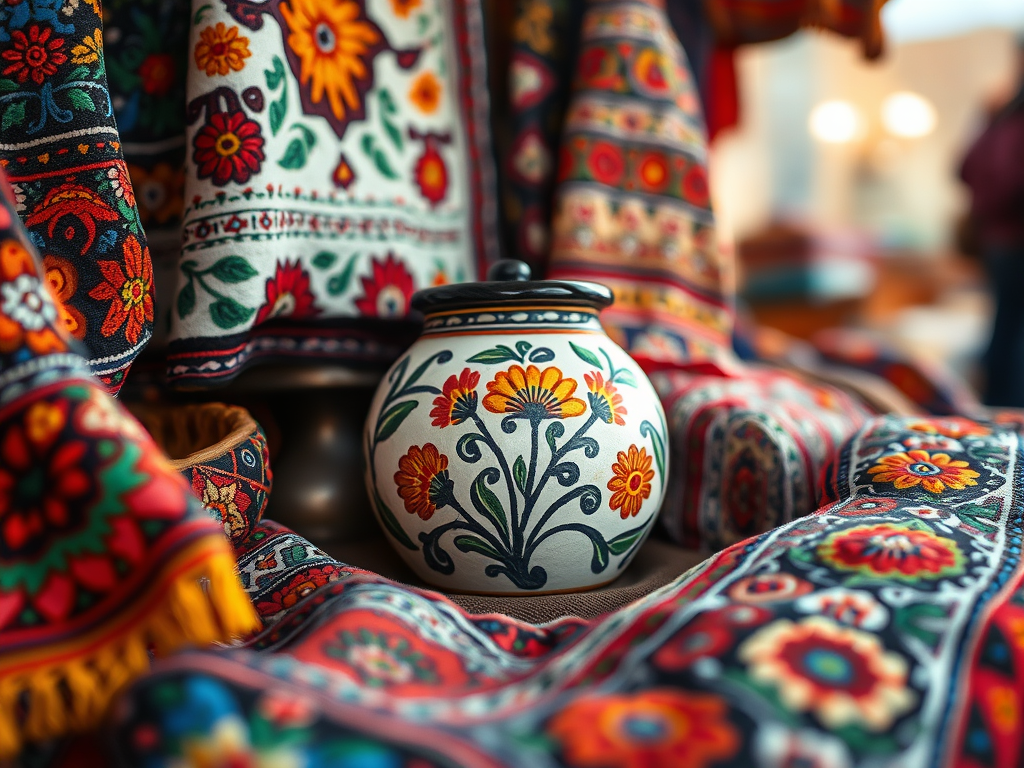
One of the beautiful things about folk art is that it’s found all over the world, and every region has its own unique twist. Eastern European folk art, for example, often features floral patterns, bold colours, and designs inspired by nature—motifs that reflect the region’s folklore and seasonal rhythms. In Slavic cultures, you’ll find beautiful hand-painted ceramics, embroidered garments, and intricate paper cut-outs, all celebrating the connection between people and nature.
And folk art isn’t limited to one corner of the globe. Mexican folk art is known for its colourful Day of the Dead imagery, while African folk art showcases elaborate wood carvings and beadwork. In Japan, traditional woodblock prints and the cheerful figures of Maneki-neko (the “beckoning cat”) bring good fortune to homes and businesses. This international diversity makes folk art feel both wonderfully unique and yet, somehow, familiar. No matter where you go, folk art offers a window into the hopes, fears, and dreams of everyday people.
Key Characteristics of Folk Art
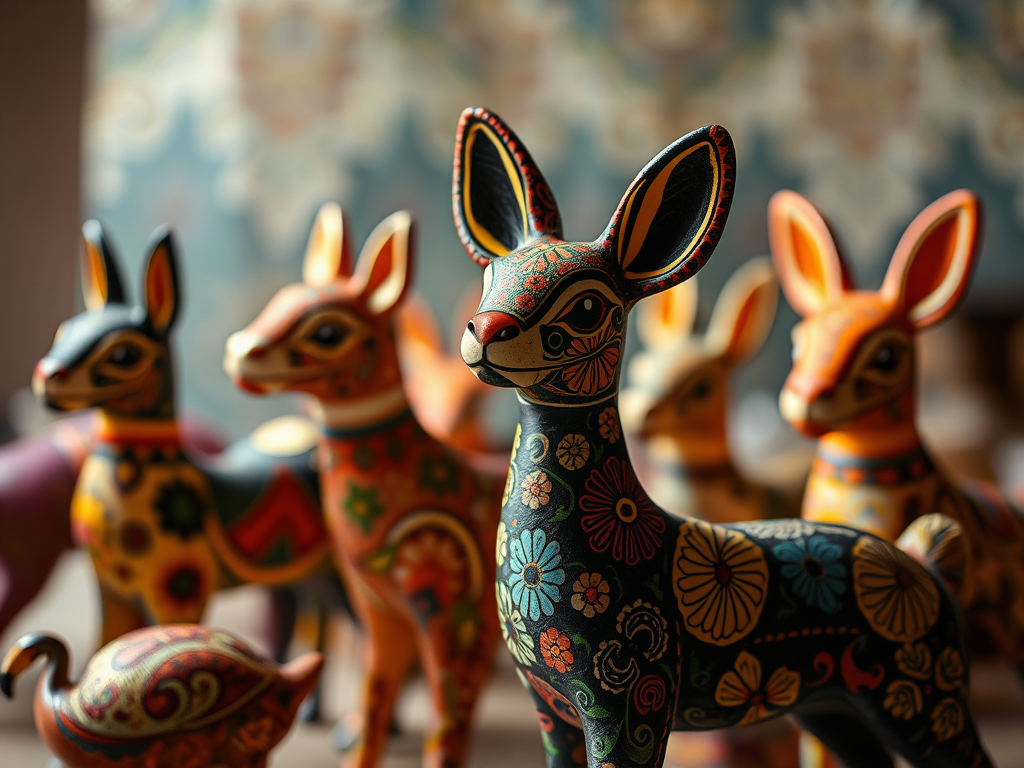
Folk art stands out for its simplicity, charm, and deeply symbolic elements. You’ll often notice bold lines, bright colours, and a lack of detailed shading, making each piece feel striking and direct. Folk art isn’t interested in replicating reality but instead aims to convey emotions, ideas, and connections through its imagery. This style brings us everything from delicate floral vines to playful depictions of animals and celestial symbols like suns and stars.
Patterns are a big part of folk art’s appeal, especially in Eastern European traditions. For instance, floral and plant designs might represent growth and renewal, while animals often serve as spirit guides, guardians, or representations of family life. These patterns aren’t just for show—they carry meanings and stories, passed down through generations.
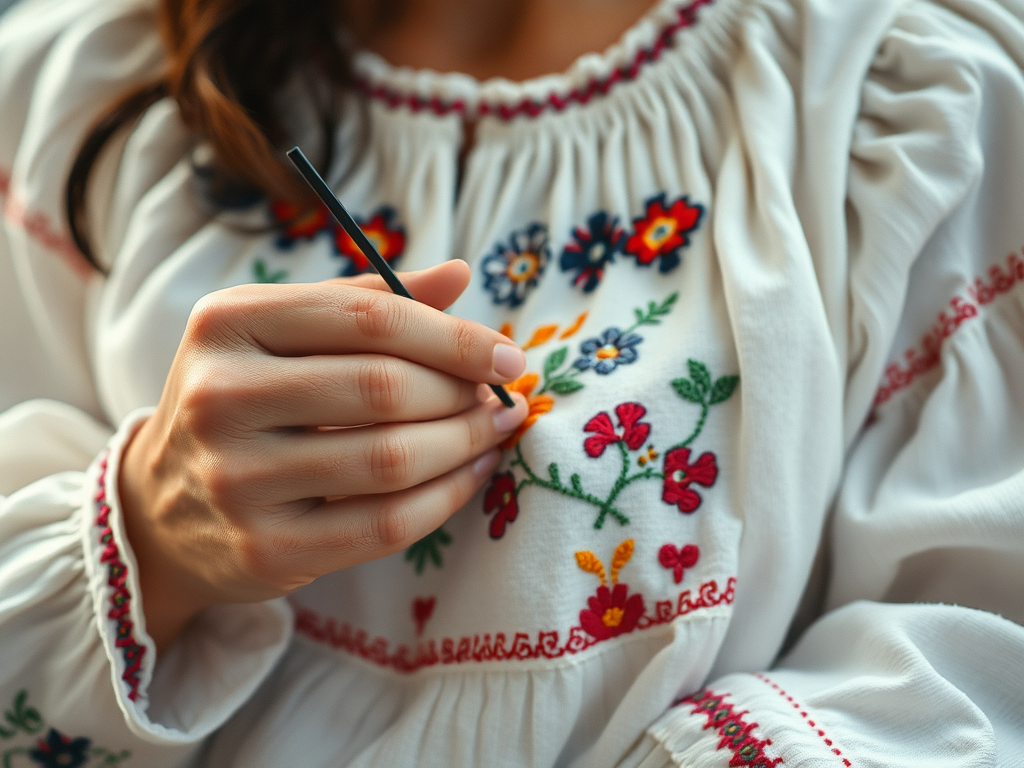
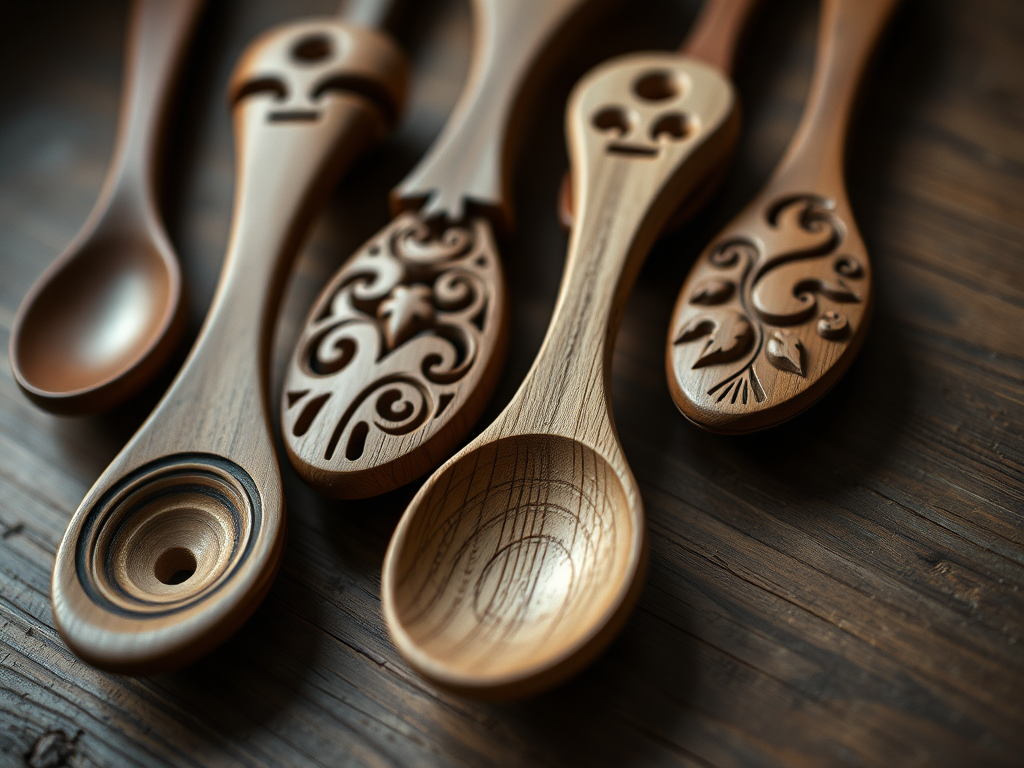
Another distinct quality of folk art is its practicality. Many pieces were originally created to adorn functional items, like the embroidery on a well-loved blouse or a hand-carved design on a wooden spoon. This merging of function with beauty means that folk art brings artfulness to everyday life.
Why Folk Art Continues to Inspire Modern Design
There’s something timeless about folk art, and it’s easy to see why it resonates in our modern world. For many, folk art feels nostalgic, evoking memories of a simpler, slower time. In today’s fast-paced, digital landscape, the warmth and authenticity of folk art serve as a comforting reminder of community, family traditions, and closeness to nature.
Folk art is also celebrated for its handmade quality. In an age of mass production, people are increasingly drawn to items that feel personal and unique. Handmade folk art, with its little imperfections and human touch, brings a sense of warmth and individuality that can’t be found in factory-made products. This kind of art reminds us that there’s a real person behind each piece—someone who put thought, care, and skill into creating something beautiful and meaningful.